Construction work happens on job sites, but the work that keeps projects organized often happens somewhere else.
Contracts, permits, schedules, RFIs, change orders, budgets, client updates, and vendor coordination all need a place to land. For many construction firms, that work gets handled from a truck, at home, in a coffee shop, or between site visits.
That may work for a while. But as projects grow, scattered admin can lead to missed details, delayed decisions, and more stress on the team.
Flexible office space gives construction firms a professional place to manage the business behind the build without taking on a full-time traditional office lease.
From Job Site Decisions to Office-Level Details
Construction admin is where important project details get reviewed, clarified, and documented.
This can include:
- Contract reviews
- Permit documentation
- Project schedules
- Budget updates
- RFIs and change orders
- Vendor and subcontractor coordination
- Client and investor updates
- Internal team meetings
These tasks require focus and privacy. A noisy job site, public café, or home office may not be the best setting for decisions involving timelines, budgets, contracts, or client expectations. Having access to a dedicated workspace gives construction teams a place to slow down, review the details, and keep projects moving with more clarity.
Keep Plans, Permits, and Approvals Moving
Construction projects rarely stay perfectly still from start to finish. A plan revision, permit update, vendor delay, client question, or subcontractor request can quickly affect the next step of the project.
When those details are handled across scattered emails, phone calls, job-site conversations, and last-minute notes, it becomes easier for important information to get missed.
A dedicated office environment gives construction teams a focused place to review:
- Updated drawings
- Permit paperwork
- Vendor agreements
- Client approvals
- Internal notes
- Project schedules
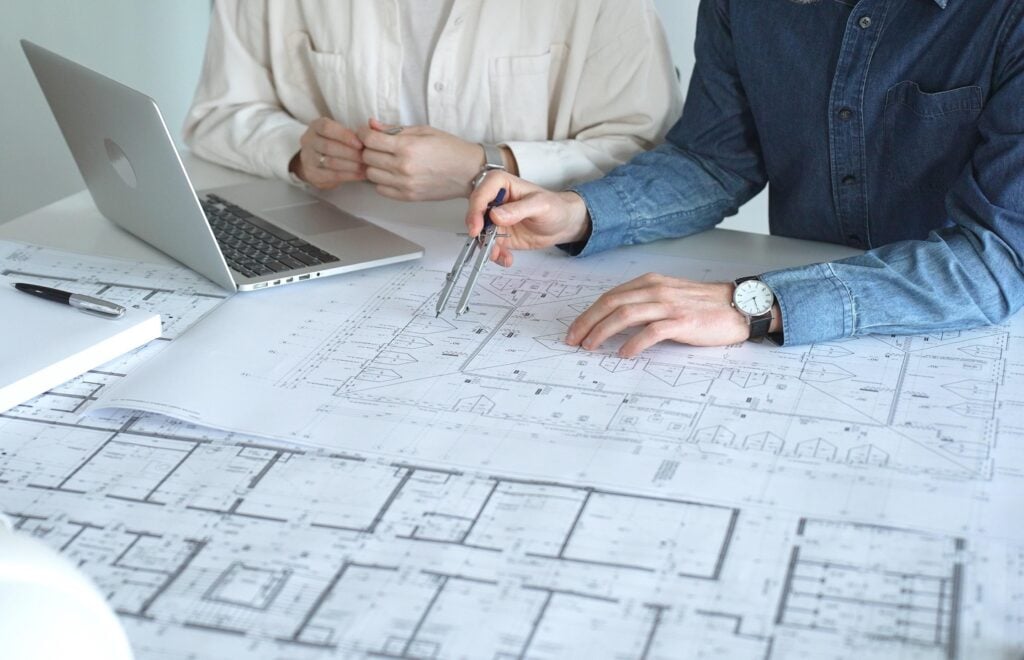
It also creates a better setting for comparing documents, confirming next steps, and making sure everyone is working from the most current information.
For field-driven companies, access to a shared office community can make it easier to move between job-site work and the focused admin work that keeps projects on track.
Make Critical Conversations Easier to Manage
Not every construction meeting belongs on-site.
Some conversations need a quieter, more polished environment. Budget reviews, plan discussions, client updates, and subcontractor coordination are easier when everyone has space to sit down, compare documents, and leave with a clear next step.
A flexible office setup can support meetings with:
- Clients
- Investors
- Vendors
- Subcontractors
- Project managers
- Administrative staff
- Leadership teams
The goal is not to pull construction teams away from the field. It is to give them the right setting for the conversations that need more focus.
Use Office Space Only When the Work Calls for It
Many construction firms do not need a full-time office every day.
Teams are often on the road, at job sites, meeting vendors, checking progress, or handling inspections. Paying for a large traditional office can feel unnecessary when the business only needs space for certain meetings, planning sessions, or admin days.
Flexible office space gives construction firms room to work when they need it.
It can be used for:
- Weekly planning sessions
- Permit and documentation reviews
- Private client calls
- Budget discussions
- Leadership check-ins
- Focused admin work
Giving your team a more professional place to work does not have to mean committing to a large office or long-term lease. It can simply mean having the right environment available when the work calls for it.
Strengthen Client Confidence Without Adding Overhead
Construction is a relationship-driven business.
Clients want to feel confident that the company managing their project is organized, responsive, and professional. A polished office environment helps reinforce that confidence, especially during meetings about budgets, timelines, contracts, or project changes.
It also gives smaller or growing firms a more established presence without the overhead of building out their own office.
For construction businesses that want flexibility, privacy, and professionalism, executive suites offer a practical middle ground.
Handle Sensitive Project Work With More Privacy
Some conversations should not happen in public.
Contracts, budgets, staffing issues, vendor concerns, and client updates often require privacy. A coffee shop or shared public table is not always the right place to review sensitive project details.
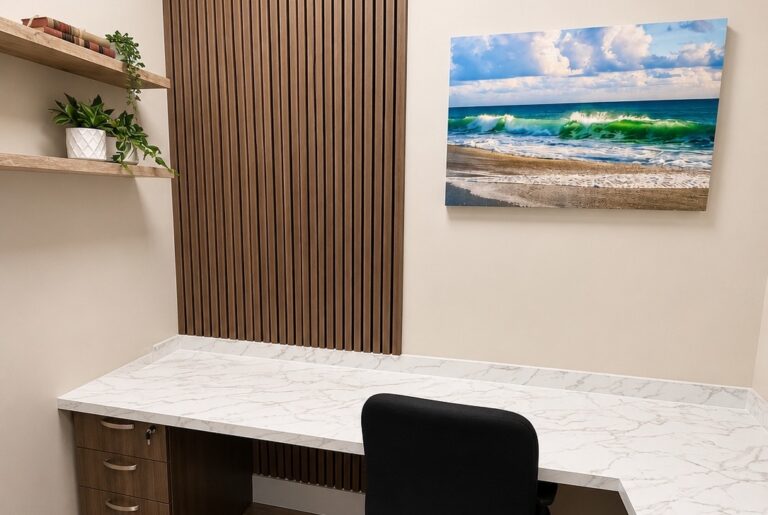
A private office gives construction professionals a secure place to handle important conversations with fewer interruptions.
It also helps create better boundaries for the people managing the business side of the company. Instead of squeezing admin work into whatever space is available, teams have a dedicated place to focus.
Build the Business Behind the Build
Construction firms need more than tools, crews, and job sites to grow well.
They also need structure for the administrative work that keeps projects organized, clients informed, and teams aligned.
Flexible office space gives construction firms access to professional space for plans, permits, budgets, meetings, and project coordination without the cost or commitment of a traditional office lease.
For businesses that spend most of their time in the field, that kind of flexibility can make the office side of construction much easier to manage.
Ready to give your construction team a better place to handle the business behind the build? Contact W Executive Suites to explore flexible office options that fit the way your firm works.